Integrated Curriculum for the
Minds of the Future
Integrated curricular topics mirror the interconnected nature of the real world—where problems are not divided by subject, and solutions require flexible, interdisciplinary thinking. When children engage in learning that bridges history, science, language, and the arts, they develop the cognitive habits of connection-making, perspective-taking, and creative problem-solving. This kind of education doesn't just prepare them to answer test questions—it prepares them to engage thoughtfully with complex global challenges, collaborate across fields, and contribute meaningfully to the society of the future.
Purpose & Intention
This session supports educators in designing an integrated curriculum that reflects the interconnected nature of real-world learning. The intention is to strengthen interdisciplinary thinking, helping children make meaningful connections, engage with complexity, and apply their learning with purpose beyond the classroom.
Course Description
In this session, participants will:
Explore the purpose and value of integrated curriculum as a reflection of real-world learning across the elementary years
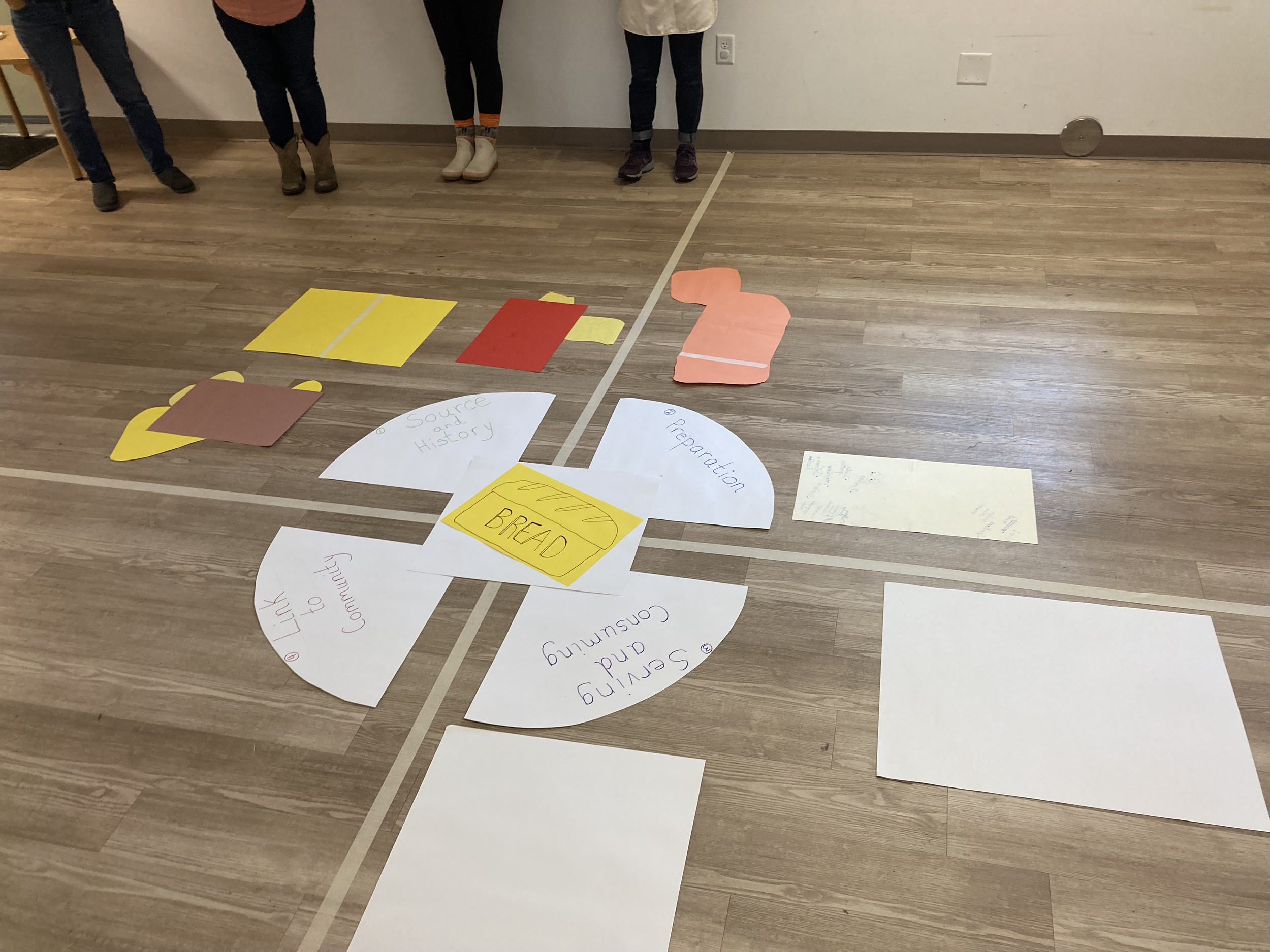
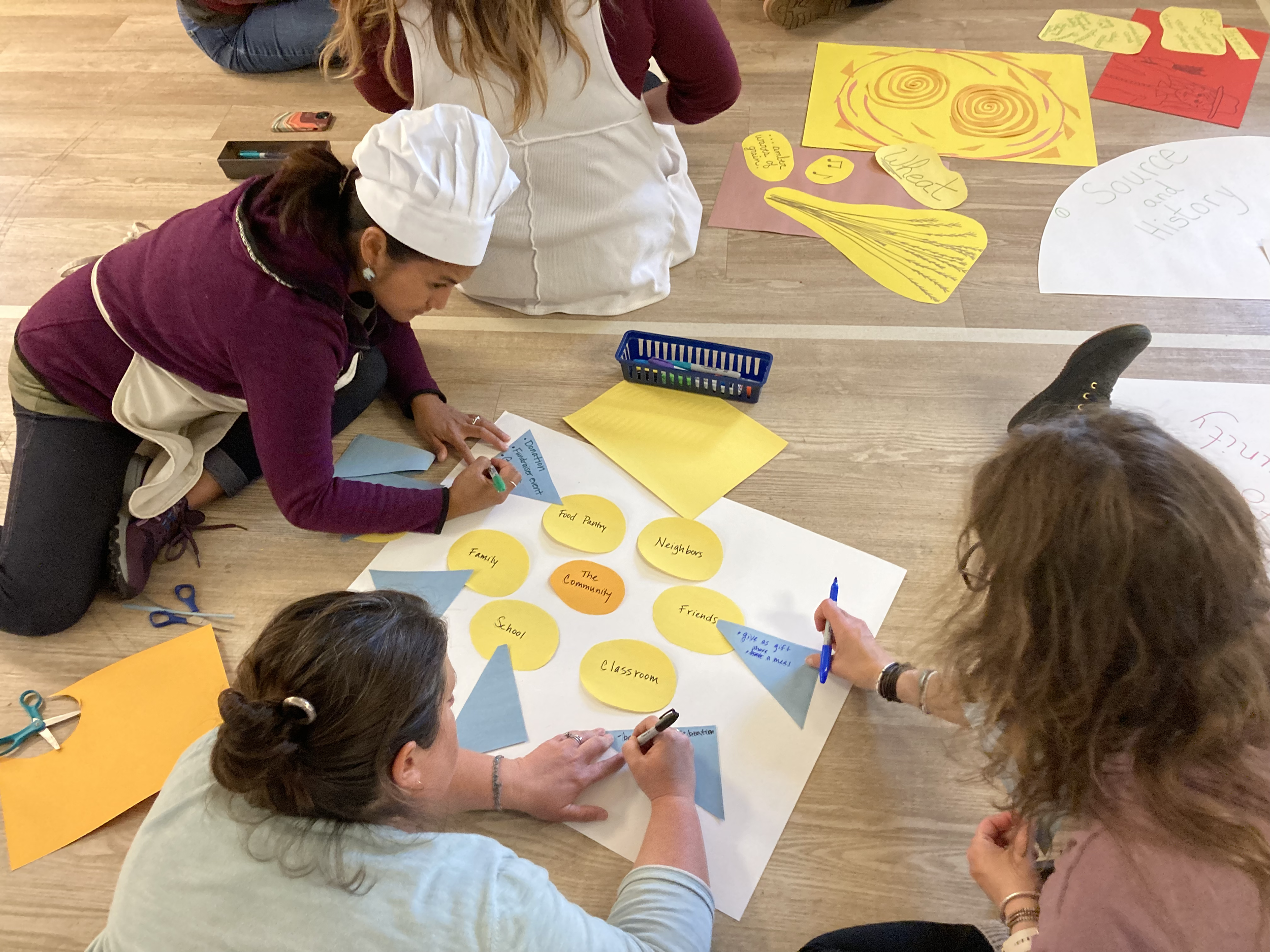
Engage in hands-on curriculum mapping activities that connect history, science, language, math, and the arts around meaningful central themes
Examine elementary-level integrated topics such as connecting with the greater community through going out, expert interviews, and presentations.
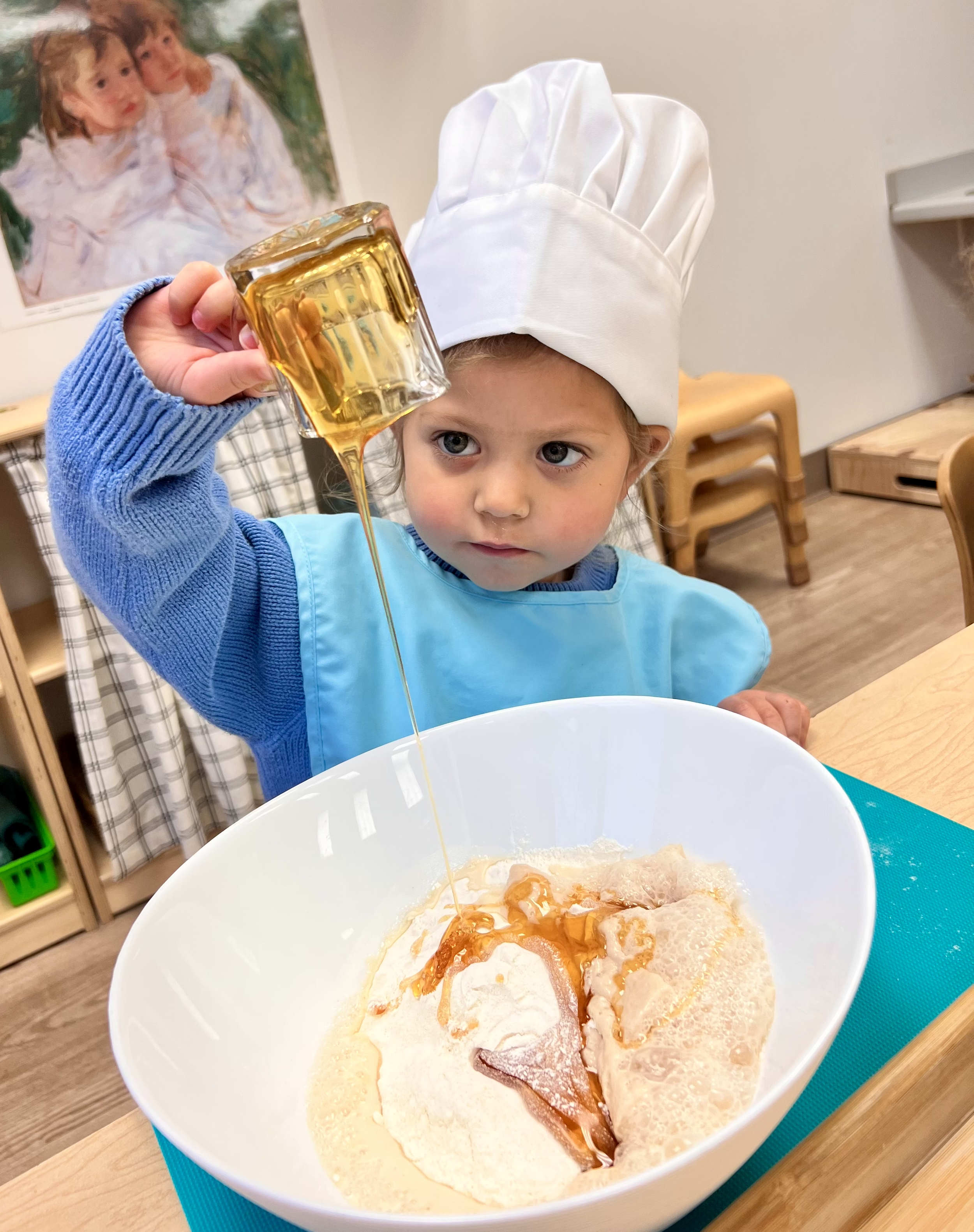
Explore developmentally appropriate integration across age levels, including bread baking as a shared cultural and scientific study in primary environments
Discuss how practical life experiences—such as food preparation—can grow into increasingly complex interdisciplinary studies over time
Reflect on the role of the adult in observing interests, identifying threads of connection, and guiding cohesive, purposeful learning
Leave with practical frameworks and inspiration for designing an integrated curriculum that is responsive, meaningful, and connected to the world beyond the classroom
Participants & Time
Participants: Lead Guides, Assistant Guides, Leaders who want to support their educators with implementation
Time: 1-hour overview or 3-hour in-depth workshop